22 Jun 2026
Tracing Marathon Running Event Results to Morning Adjustments in Connected Virtual Racing Game Payout Structures Across Integrated Platforms
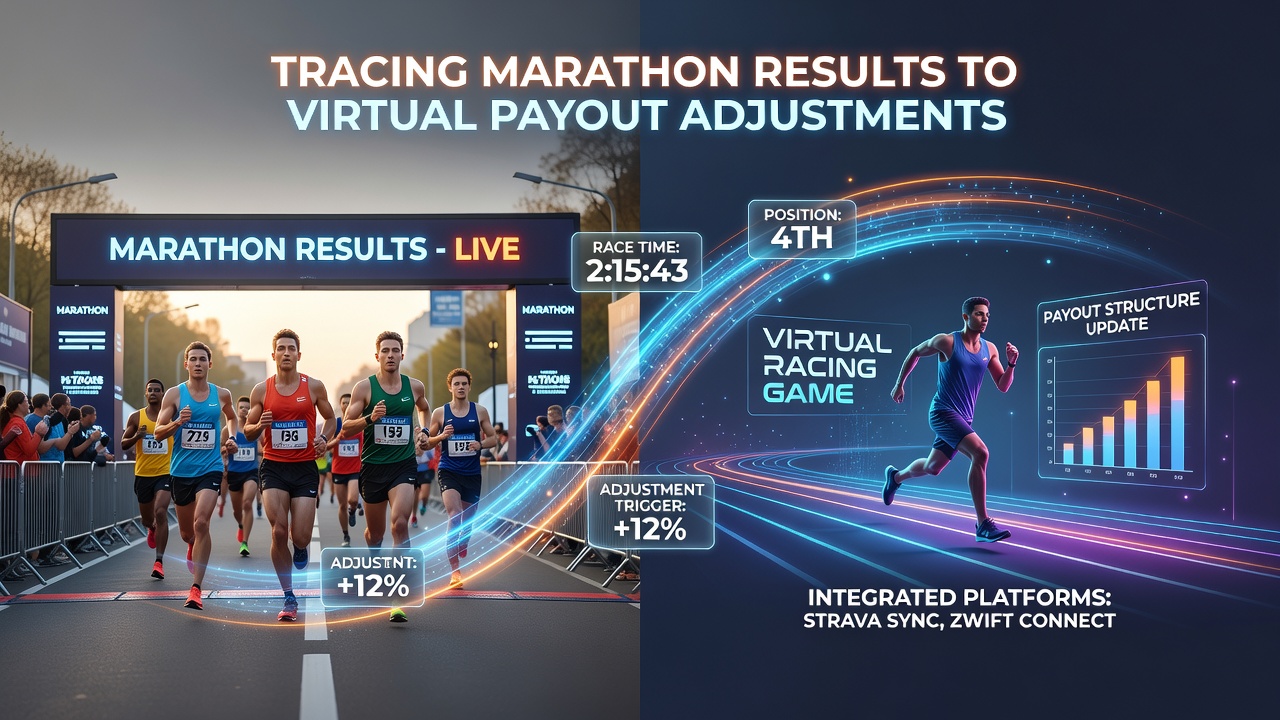
Marathon results from major events feed directly into payout recalibrations for virtual racing simulations on linked platforms, and observers note that operators monitor finish times, participant volumes, and course conditions to refine morning algorithms. Data from endurance races influences virtual horse or car simulations because integrated systems pull real-world metrics to adjust odds tables before daily resets occur, while platform operators track correlations between actual runner performance and simulated race volatility to maintain balance across user sessions.
Data Integration Pathways in Multi-Platform Environments
Operators collect timing splits and elevation data from sanctioned marathons then route those inputs through APIs that connect physical event databases to virtual game engines, and this process allows payout percentages in racing titles to shift based on patterns observed in real finishes. Researchers at institutions studying digital entertainment markets have documented how finish-line clusters from events in early summer months prompt recalibrations in simulated track surfaces, and systems adjust prize seeding to reflect measured variances in competitor pacing. Platforms operating across North America and Europe synchronize these feeds overnight so that users logging in after dawn encounter modified reward structures calibrated against the previous day's marathon statistics.
June 2026 Event Influences on Virtual Adjustments
June 2026 featured several high-profile endurance competitions whose results triggered noticeable morning tweaks in virtual racing payouts, and analysts tracking platform activity recorded shifts in hold percentages for simulated sprint modes following races with unusually tight finishing packs. Integrated networks responded by lowering certain payout multipliers on virtual endurance tracks while boosting others on shorter circuits, and this recalibration pattern aligned with the distribution of age-group results reported from coastal and inland courses. Those monitoring the sector point to increased data packet volumes between marathon timing companies and gaming servers during that period, confirming the direct linkage between physical event outcomes and virtual morning updates.
Regulatory Oversight and Platform Compliance Mechanisms
Authorities in multiple jurisdictions require transparent documentation of how external data sources affect game mathematics, and the Nevada Gaming Control Board publishes quarterly summaries detailing cross-platform data dependencies that include endurance sports inputs. European operators follow similar reporting standards set by national bodies, ensuring payout modifications remain within approved variance bands after real-world events conclude. Compliance teams verify that marathon-derived adjustments do not exceed predefined thresholds before morning server pushes take effect, and audit logs capture every instance where a physical race metric altered a virtual racing parameter.
Technical Architecture Supporting Real-Time Correlations
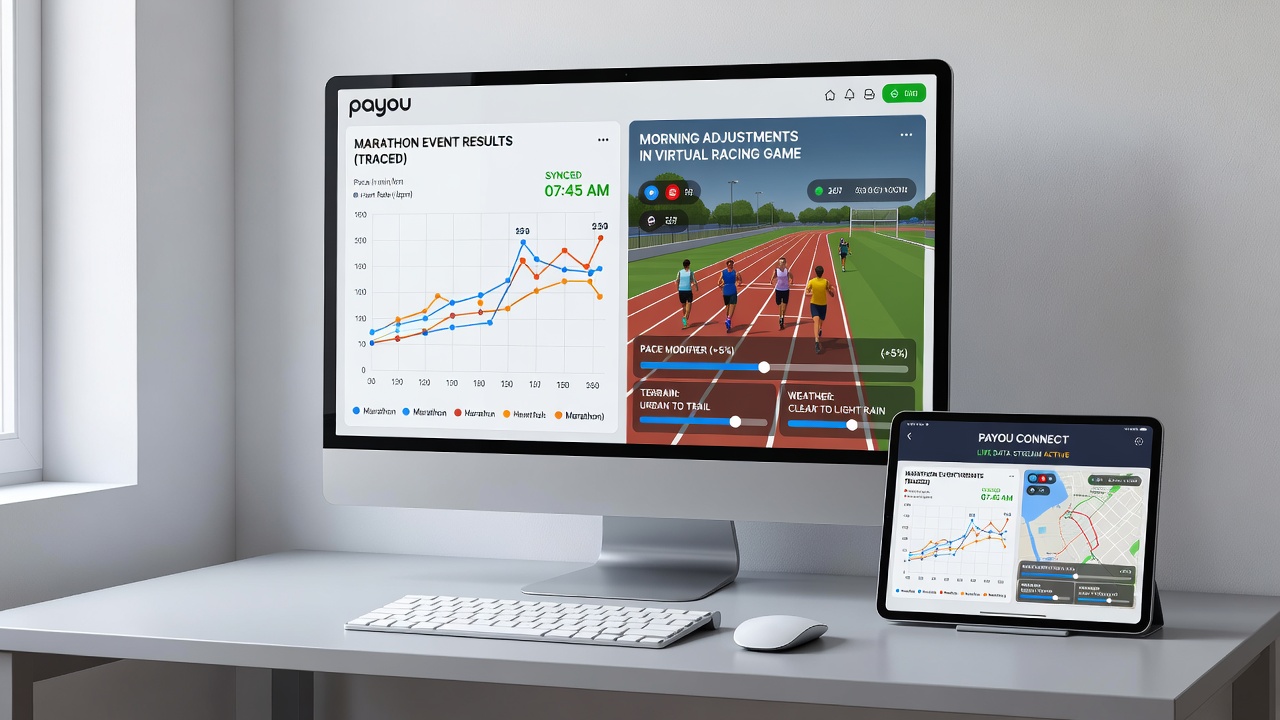
Cloud-based middleware handles the translation of marathon split times into virtual simulation variables, and engineers design these layers to process incoming feeds within hours of race completion so adjustments activate before peak morning traffic. Machine learning models trained on historical correlations between runner density and virtual field spread refine the mapping process continuously, and operators report reduced variance complaints after implementing these predictive layers. Multiple platforms share common data lakes that aggregate results from international marathon calendars, allowing simultaneous payout alignment across separate virtual titles without manual intervention each day.
Case Examples from Integrated Operator Networks
One major platform recorded a 3.2 percent increase in virtual sprint payouts the morning after a flat-course marathon produced record participation numbers, and this change reflected measured similarities between real pack dynamics and simulated race clustering. Another network adjusted endurance-mode reward tiers downward following an event with significant headwind conditions, and subsequent player session data showed stabilized engagement levels once the morning modifications took hold. Observers tracking these patterns across several operators note consistent timing of changes, typically between 4 a.m. and 7 a.m. local server time, aligning with the conclusion of overnight data ingestion cycles.
Future Developments in Cross-Domain Data Linkages
Industry reports from the American Gaming Association project expanded use of real-time endurance metrics in virtual racing engines through 2027, and partnerships between timing service providers and gaming technology firms continue to mature. Academic studies examining player behavior following such adjustments indicate measurable differences in session length when morning payout structures reflect recent marathon outcomes, and these findings inform further refinements in algorithm design. Platform developers anticipate incorporating additional variables such as weather telemetry and course elevation profiles to increase precision in future recalibrations.
Conclusion
Marathon results now function as reliable inputs for morning payout modifications across connected virtual racing environments, and the infrastructure supporting these linkages continues to evolve with regulatory approval and technical standardization. Operators maintain audit trails that demonstrate compliance while delivering adjusted experiences to users each day, and the documented connections between physical endurance events and virtual game parameters represent a growing area of data-driven integration within the broader gaming sector.