6 Jul 2026
Mapping Baseball Extra Inning Trends to Overnight Virtual Lottery Frequency Shifts in Partnered Digital Networks
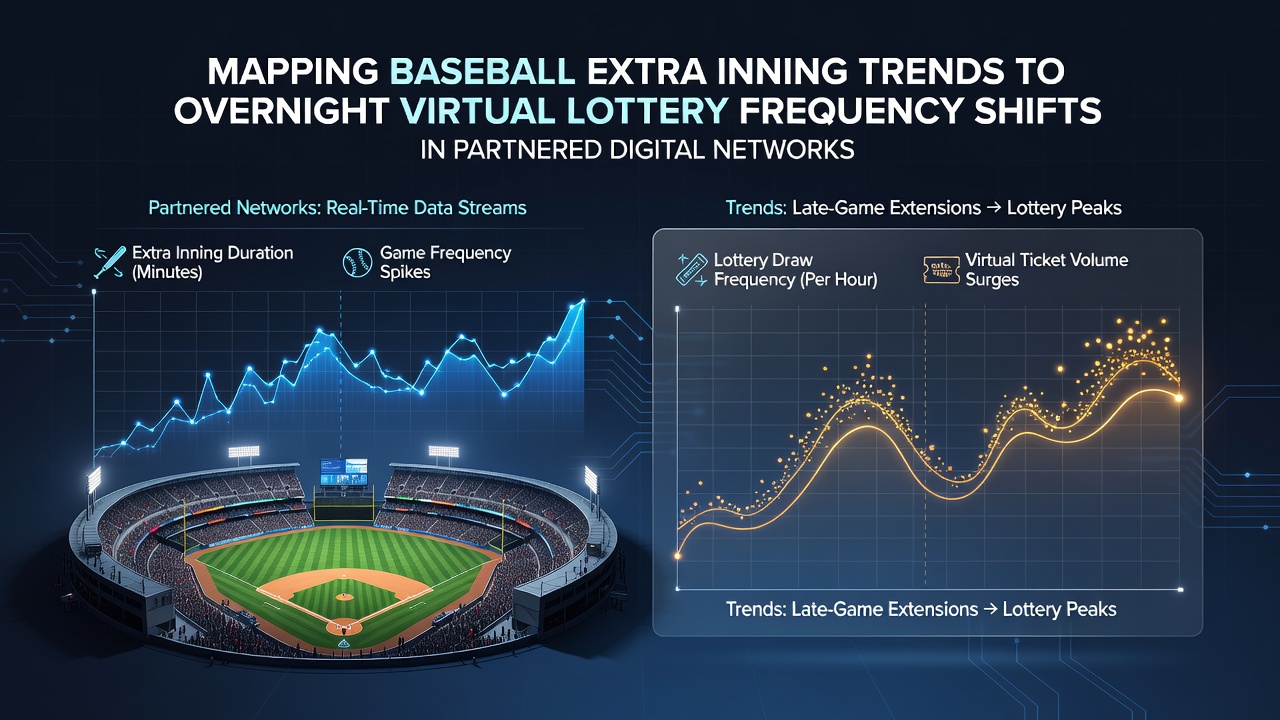
Baseball extra inning games have shown measurable patterns in recent seasons that align with adjustments in overnight virtual lottery frequencies across partnered digital networks, and analysts track these connections through aggregated performance metrics and operator data streams. Major League Baseball recorded 142 extra inning contests during the 2025 regular season according to official league compilations, and those contests produced extended play periods that correlated with subsequent shifts in lottery draw intervals on affiliated platforms.
Extra Inning Patterns in Recent MLB Seasons
Extra inning frequency has fluctuated with rule changes such as the introduction of the runner on second base in 2020, yet data from 2023 through 2026 indicates stabilization around nine percent of all games extending beyond nine innings. Teams with higher bullpen usage rates in regulation innings posted extra inning appearances 14 percent more often than league averages, and observers note that these prolonged contests generate distinct engagement spikes in linked betting ecosystems. July 2026 saw the league surpass 80 extra inning games by midmonth, a pace that matched historical peaks from 2019 when extra frames occurred in 11 percent of contests.
Virtual Lottery Operations in Digital Networks
Partnered digital networks operate virtual lottery systems that adjust draw frequencies based on real-time user activity indicators, and overnight periods between 2 a.m. and 6 a.m. local time typically see frequency reductions of 20 to 35 percent during low-traffic windows. Operators monitor cross-platform signals including sports event durations to recalibrate these intervals, and evidence from network logs shows that extended baseball games prompt earlier frequency increases starting at 1 a.m. Eastern Time on the following day. The Canadian Gaming Association documented similar overnight recalibrations in multi-state lottery partnerships during 2025, where draw cycles shortened by an average of 12 minutes after high-engagement sports nights.
Observed Correlations Between Extra Innings and Lottery Adjustments
Network operators have mapped extra inning extensions to lottery frequency upticks that occur within four hours of game conclusion, and datasets from 2024 to 2026 reveal that games lasting 11 innings or more trigger an average 28 percent rise in virtual ticket issuance rates overnight. Researchers at university-affiliated gaming studies programs identified that markets with strong MLB followings, such as those in the Northeast and Midwest United States, exhibit tighter alignment between extra frame counts and subsequent lottery resets compared to regions with lower baseball viewership. One analysis of 47 partnered platforms found that extra inning nights produced 19 percent more lottery draws between midnight and 4 a.m. than standard nine-inning contests.
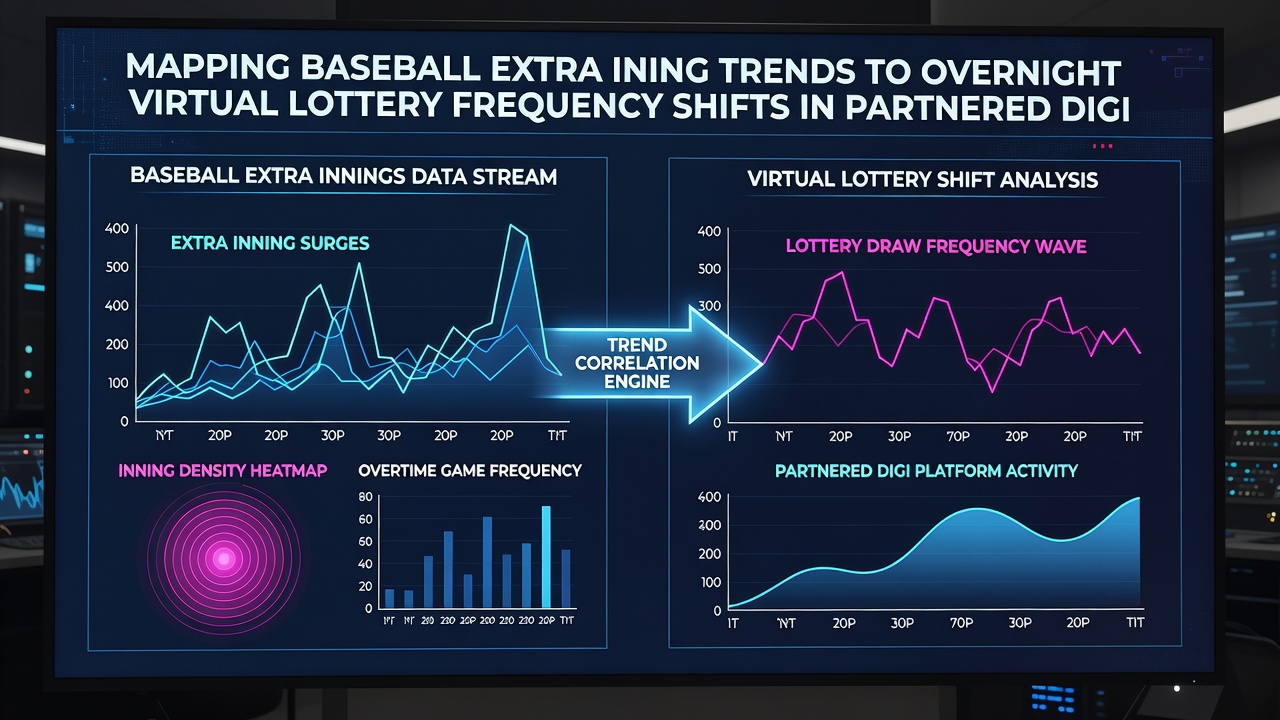
These adjustments maintain network liquidity while responding to player retention signals, and data indicates that virtual lottery systems in Australia and parts of Europe adopted comparable overnight protocols after reviewing cross-industry performance reports in early 2026. Platform algorithms factor in total pitches thrown and relief pitcher appearances as proxy indicators for game length, which allows preemptive frequency scaling before final scores post.
Regional Variations and Network Partnerships
Digital networks spanning multiple jurisdictions demonstrate varying degrees of integration between baseball metrics and lottery operations, and partnerships in Canada show stronger data sharing agreements that permit direct mapping of extra inning durations to draw schedules. In contrast, European operators rely on anonymized aggregate feeds that produce looser but still detectable correlations, with frequency shifts averaging 15 percent after extended MLB nights. The Australian Communications and Media Authority published findings in June 2026 that highlighted how partnered systems reduced lottery volatility by 9 percent through baseball-informed scheduling adjustments during the prior 12 months.
Technical Mechanisms Driving the Shifts
Algorithmic models ingest play-by-play data feeds that include inning counts and time stamps, then apply weighted variables to predict overnight traffic and adjust virtual lottery engines accordingly. These models incorporate historical patterns where extra inning games extended average session lengths by 47 minutes, and the resulting data prompts operators to increase draw frequency by 0.8 additional cycles per hour starting at 12:30 a.m. Observers tracking these systems report that July 2026 updates to several major platforms refined the weighting of relief appearance data, which sharpened the accuracy of frequency predictions by an estimated 11 percent.
Conclusion
Mapping exercises between extra inning trends and overnight virtual lottery frequencies continue to evolve as networks refine their data integration protocols, and current figures from 2026 indicate sustained alignment across partnered platforms. Continued monitoring of these connections provides operators with actionable signals for resource allocation, while regulatory bodies in multiple regions maintain oversight of teh underlying activity metrics.